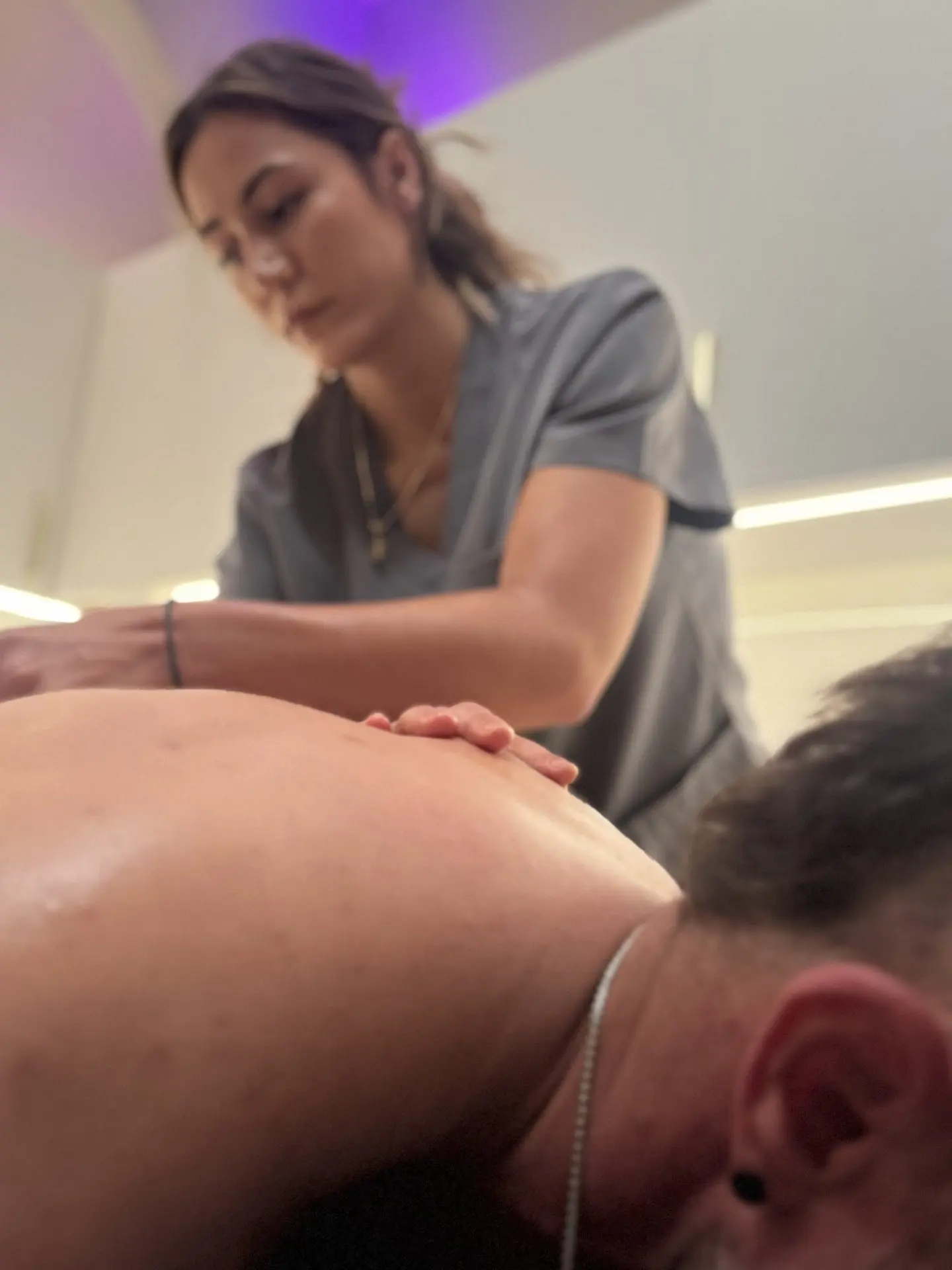
Cellulite Detox
Uses natural wooden tools to sculpt, contour and stimulate circulation.
- Treatment time
- 60 minutes
- Results
- Immediate
- Longevity
- Gradual improvement over a course of six
- Downtime
- None
- Price
- £120
About Cellulite Detox
This treatment uses natural wooden tools to work across the body — commonly the thighs, hips and abdomen — to sculpt and contour, stimulate circulation and release fascial tension. Rolling and sweeping movements with the tools reach deeper than hands alone, encouraging lymph flow and helping the skin feel smoother and the area feel lighter over time.
It's a supportive, non-invasive approach rather than a medical treatment, and works best as a course. Available as a single session or a package of six.
Key Benefits
- 01Stimulates circulation and lymph flow in the thighs, hips and abdomen
- 02Releases fascial tension that contributes to dimpling
- 03Supports a smoother, firmer skin appearance over a course
- 04Reduces puffiness and heaviness
- 05Wooden tools reach deeper than hands alone
- 06Available as a package of six
Is this treatment right for me?
Cellulite detox suits people who'd like to improve the look and feel of the thighs, hips or abdomen, reduce puffiness, and support circulation. It's a supportive treatment — results are gradual and depend on a course, hydration and lifestyle — and it isn't suitable with certain circulatory conditions or over varicose veins.
You may be suitable if…
- You'd like smoother-looking skin on the thighs, hips or abdomen
- You feel puffy or heavy in those areas
- You're happy to commit to a course for the best result
- You have no clot history, circulatory or skin condition that rules it out
Your consultation will consider…
- The areas you'd like to focus on
- Skin condition, varicose veins and circulatory health
- Lifestyle factors that affect results — hydration, movement, diet
- Whether a course of six suits your goal
What to expect
Before treatment
Your therapist discusses the areas you'd like to focus on and checks for anything that would change the approach. Arrive well hydrated.
During treatment
Smooth wooden rollers and sculpting tools are worked across the treatment areas with oil, using firm, rhythmic strokes towards the lymph nodes to stimulate circulation and release the fascia. It's vigorous but shouldn't be painful. Sessions are sixty minutes.
After treatment
Drink plenty of water. The skin will look pink and feel warm, and the area often feels lighter straight away.
Results & longevity
You'll usually notice a lighter, less puffy feeling immediately and pink, invigorated skin. Visible changes in smoothness and contour develop gradually over a course of six sessions a week or two apart, and are supported by hydration, movement and a balanced diet. Results are maintained with occasional top-up sessions.
Recovery, side effects & aftercare
No downtime — the skin is pink and warm for an hour or so afterwards, and the area may feel tender to the touch for a day.
Side effects
Mild soreness or tenderness for a day or so after firmer work is normal, as is feeling tired or very relaxed. Occasionally people notice a mild headache or feel emotional afterwards, which passes. Bruising is uncommon. Massage is avoided over injuries, infections, recent surgery, blood clots and certain medical conditions — please tell your therapist about anything relevant.
Aftercare
Drink plenty of water for the rest of the day and keep active. Avoid alcohol and very salty food, which encourage fluid retention.
Please get in touch if soreness lasts more than a couple of days, or if you have any concern after your treatment.
- Downtime
- None
- Redness
- Some pinkness where the skin has been worked, fades within an hour
- Swelling
- None
- Bruising
- Light bruising is possible in sensitive areas
- Normal activities
- Immediately; take it easy after deep work if you can
Frequently Asked Questions
Does it get rid of cellulite?
It improves the look and feel of the area by stimulating circulation and releasing fascia; it isn't a cure and results are gradual. A course, hydration and movement give the best outcome.
Does it hurt?
It's firm and vigorous, and can be tender over tight fascia, but your therapist adjusts pressure to keep it comfortable.
How many sessions do I need?
A course of six, spaced a week or two apart, is recommended for visible change, then top-ups as needed.
Which areas can be treated?
Most commonly the thighs, hips, buttocks and abdomen; arms can also be treated.
Is there anything that means I shouldn't have a massage?
Fever, infection, recent surgery or injury, blood clots and certain medical conditions can rule out or modify treatment. Please mention anything relevant when you book or at the start of your session.
How do I book?
Online, by phone or WhatsApp. Sessions are available across the week; let us know your preferred therapist if you have one.
Your Practitioners

Leta
Massage Therapist
Leta is a massage therapist at Banana Beauty Lab, delivering the treatments in this section.
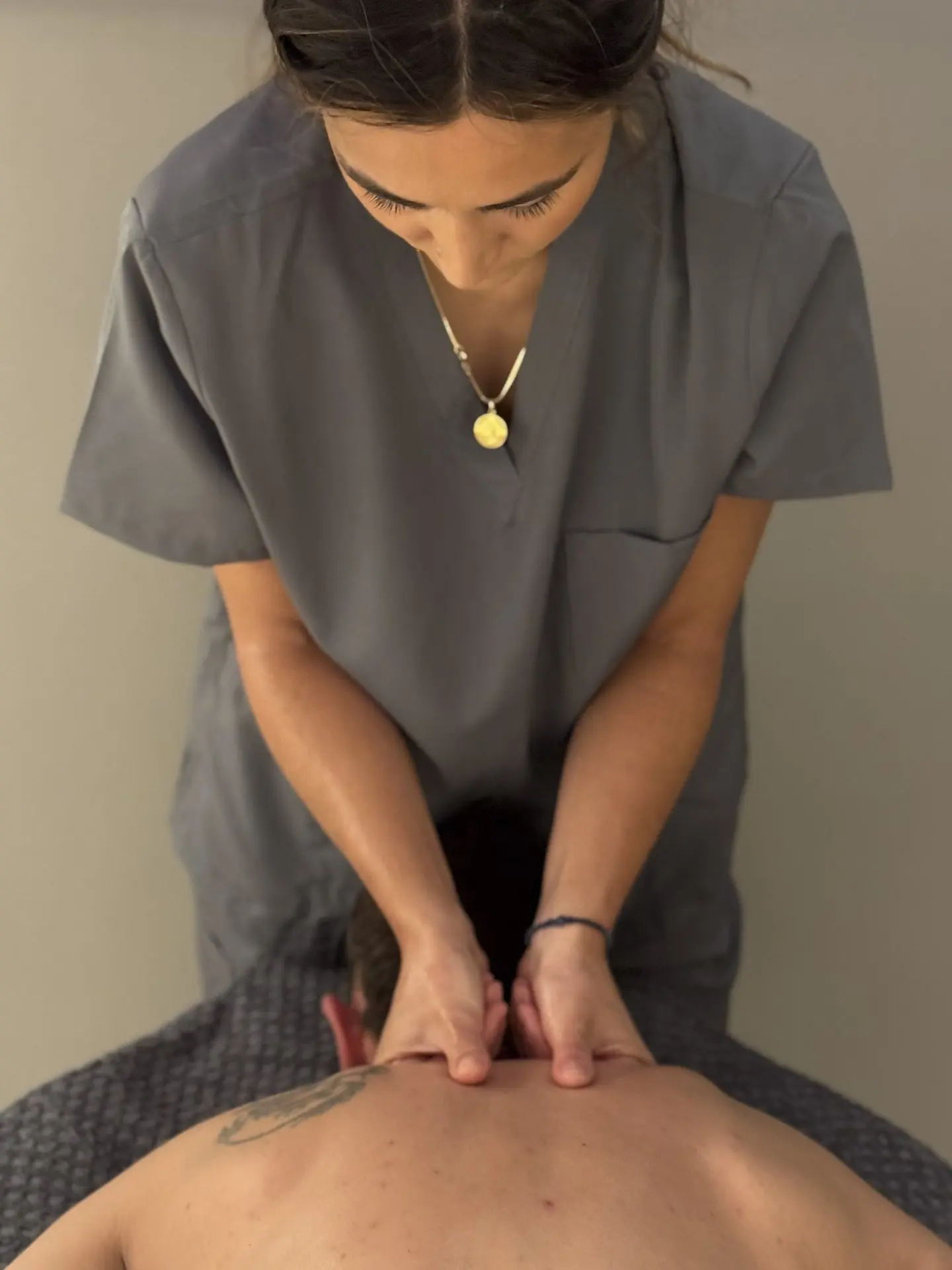
Roberta
Massage Therapist
Roberta is a massage therapist at Banana Beauty Lab, delivering the treatments in this section.