Mono Threads
Fine threads that encourage collagen and improve skin quality across an area.
- Treatment time
- 30–45 minutes
- Results
- Gradual firming over 6–12 weeks
- Longevity
- Around 12 months
- Downtime
- 1–2 days
About Mono Threads
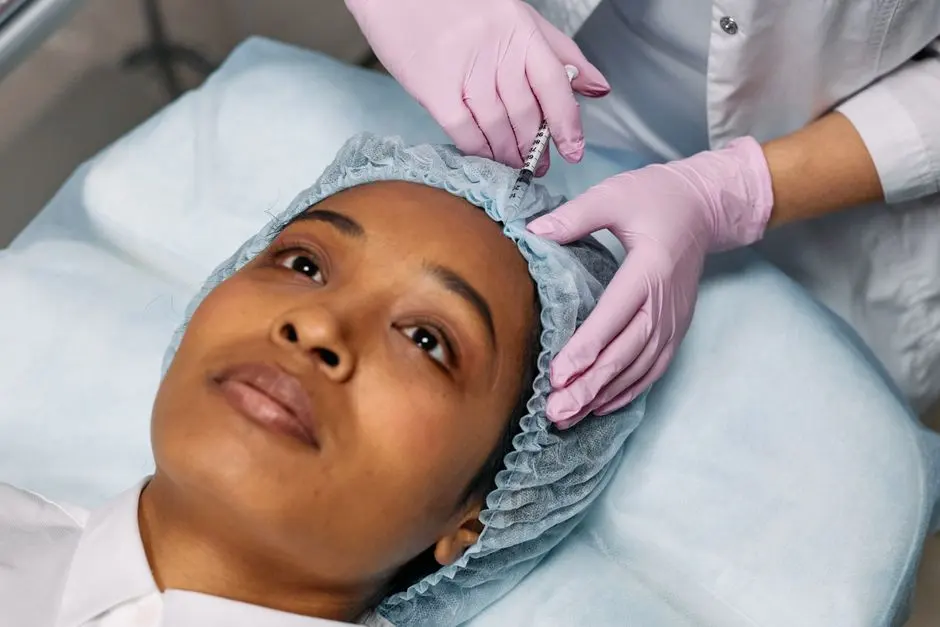
Mono threads are fine, smooth PDO threads with no barbs. They aren't designed to lift. Instead they're laid in a criss-cross mesh just under the skin, where they encourage collagen, tighten the tissue and refine texture, acting like a scaffold that firms the skin from inside while it dissolves.
On their own, they treat crepey or slightly loose skin on the neck, jawline, cheeks, under the eyes and even the knees and arms. They're also used together with lifting threads to back up a lifted result.
Key Benefits
- 01Firms and tightens the skin by building collagen
- 02Improves crepey skin, fine lines and texture
- 03Can be used on the face, neck and body
- 04Supports a lifting-thread result and helps it last
- 05Less downtime than lifting threads
- 06Threads dissolve completely and leave new collagen
Is this treatment right for me?
Mono threads are a good fit if your skin is starting to loosen or look crepey and you want firmer skin with better texture, rather than a lift. John also recommends them with lifting threads for a stronger result that lasts longer.
You may be suitable if…
- Your skin looks thin, crepey or a little loose
- You want firmer texture on your face, neck or body
- You'd like to support a lifting-thread or filler result
- You're not pregnant or breastfeeding
Your consultation will consider…
- The amount of looseness in the skin and how much lift threads can honestly deliver
- How thick and healthy your skin is, since threads hold best where the skin has some support
- Which approach looks most natural for you: filler, threads or a mix
- Your health history, current medication and anything you've had done in the area before
What to expect
Before treatment
Your first appointment is a consultation with John, who looks at how much lift is achievable, which threads suit the area, and whether threads, filler or both will serve you best. If it's safe for you, stop alcohol, aspirin, ibuprofen and blood-thinning supplements for a week before treatment, and leave at least two weeks between dental work and your appointment.
During treatment
After cleansing and marking the area, John numbs it with local anaesthetic injections so you stay comfortable throughout. Each thread goes in beneath the skin through a fine needle or cannula and is set in place to lift or support the tissue. The entry points are tiny and don't need stitches. Most sessions last 45–60 minutes. Mono threads go in through a fine needle in a grid or fan pattern. A typical area takes 30–45 minutes and can need a large number of threads.
After treatment
The lift shows straight away, together with some swelling and a feeling of tightness. For a few days the area can feel sore or a little pulled while the threads bed in. John talks you through aftercare and arranges a review appointment.
Watch
See this treatment in the clinic, in short videos on John’s aesthetics site, Trusted Touch Aesthetics.
Watch the video →Results & longevity
You won't see much straight away, because mono threads work by building collagen. Firmness and texture improve gradually over six to twelve weeks and keep refining for several months. The threads dissolve over about six months, and the new collagen usually keeps the result going for around twelve months. A second session can add to the first.
Recovery, side effects & aftercare
In the first week, threads ask for a bit more care than injectable treatments. Expect swelling, tenderness and a tight feeling, and possibly some bruising where the threads went in. Most people feel fine to go back to work after a day or two, and everything has fully settled by two to three weeks.
Side effects
You should expect swelling, bruising, soreness and a tight or tugging feeling, all of which fade over a few weeks. The skin can sometimes dimple or pucker along a thread; this usually smooths out by itself. Now and then the end of a thread can be felt or seen, and a small adjustment fixes it. Less common risks are infection, a thread shifting, or the two sides looking uneven for a while as they settle at different speeds. Nerve irritation is rare and normally passes.
Aftercare
During week one, sleep on your back with your head propped up, keep mouth movements small, skip chewing gum and very hard foods, and leave the area alone rather than rubbing or massaging it. For two weeks, steer clear of hard exercise, saunas, steam rooms and sunbeds. Hold off on facials and dental work for three to four weeks. Keep the entry points clean and wear SPF every day.
Get in touch with the clinic if pain is getting worse, redness or warmth is spreading, an entry point is weeping, a thread end has become visible, or any dimpling is still there after two weeks.
- Downtime
- 2–3 days of swelling and tenderness
- Redness
- Mild at entry points
- Swelling
- Common for 3–7 days
- Bruising
- Possible, fades within 1–2 weeks
- Normal activities
- Light activity next day; no strenuous exercise for 1–2 weeks
Frequently Asked Questions
Will I notice a difference straight away?
No. Mono threads firm the skin gradually over six to twelve weeks as new collagen forms, so the change looks natural.
How many threads will I need?
Often twenty or more for one area, because each thread is so fine. The exact number depends on the area and is agreed at your consultation.
Is there less downtime than with lifting threads?
Yes. You can expect a day or two of redness, small marks and mild swelling, rather than the tightness and longer settling time of a lift.
Will it hurt?
The area is numbed with local anaesthetic, so during treatment you'll notice pressure and movement rather than pain. Expect it to feel sore for a few days afterwards.
Where do the threads go?
PDO is the material used in dissolvable surgical stitches. Your body slowly breaks it down and absorbs it over about six months, and new collagen is left behind where it sat.
Can threads and filler be used together?
Yes, and many people have both: threads move tissue back into place and filler replaces lost volume. John will advise which to do first and how far apart.
Your Practitioner
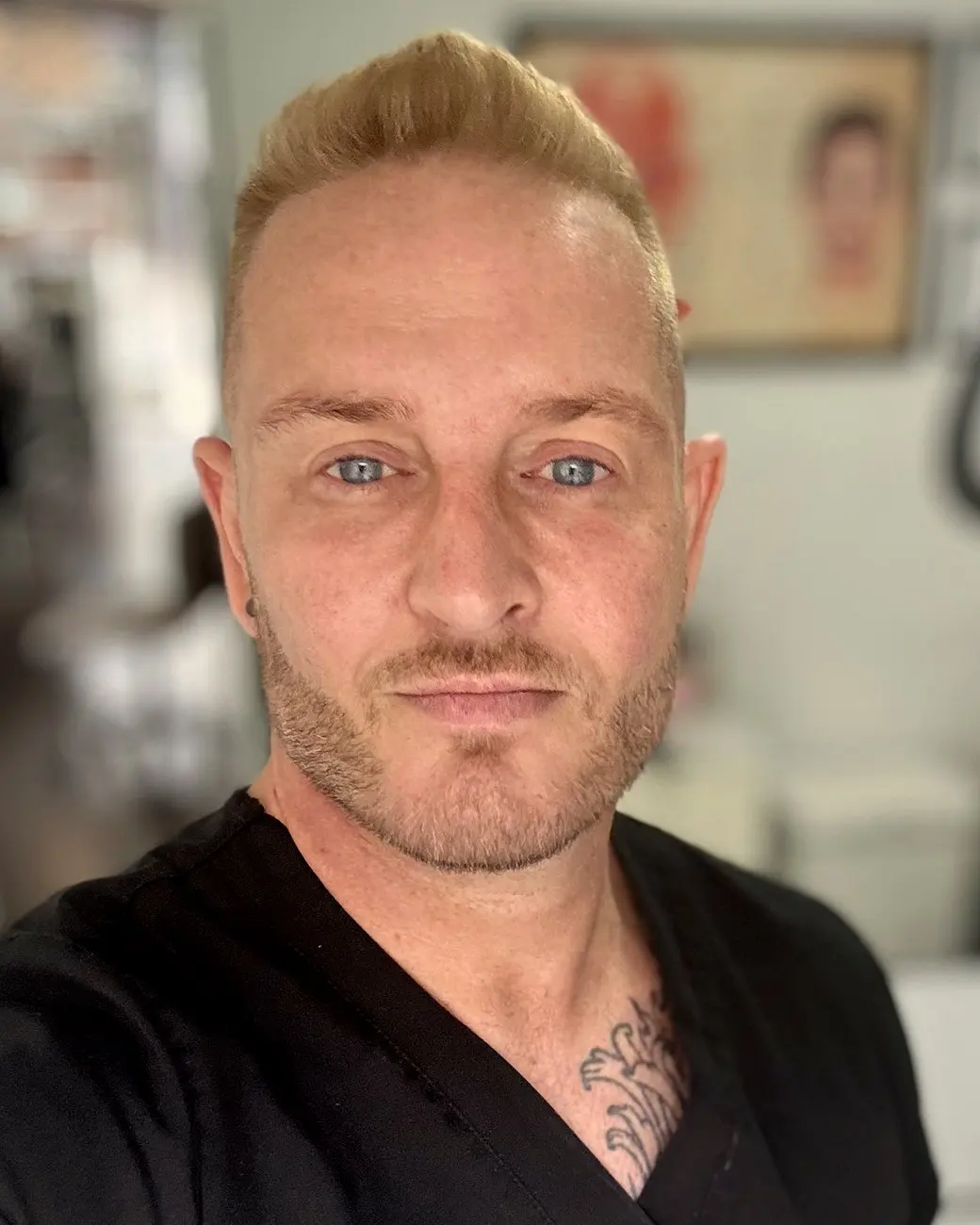
John Dixon
Founder & Aesthetician
John founded Banana Beauty Lab and runs his aesthetics practice, Trusted Touch Aesthetics, here. He specialises in facial balancing and harmonisation, alongside wrinkle reduction and skin rejuvenation. His training is CPD-certified, he is fully insured, and is known for taking the time to assess your face properly, explaining every option honestly and never over-treating — the aim is always a natural result that still looks like you. Clients regularly mention his calm manner, attention to detail and the aftercare follow-up that checks in on how you're healing.