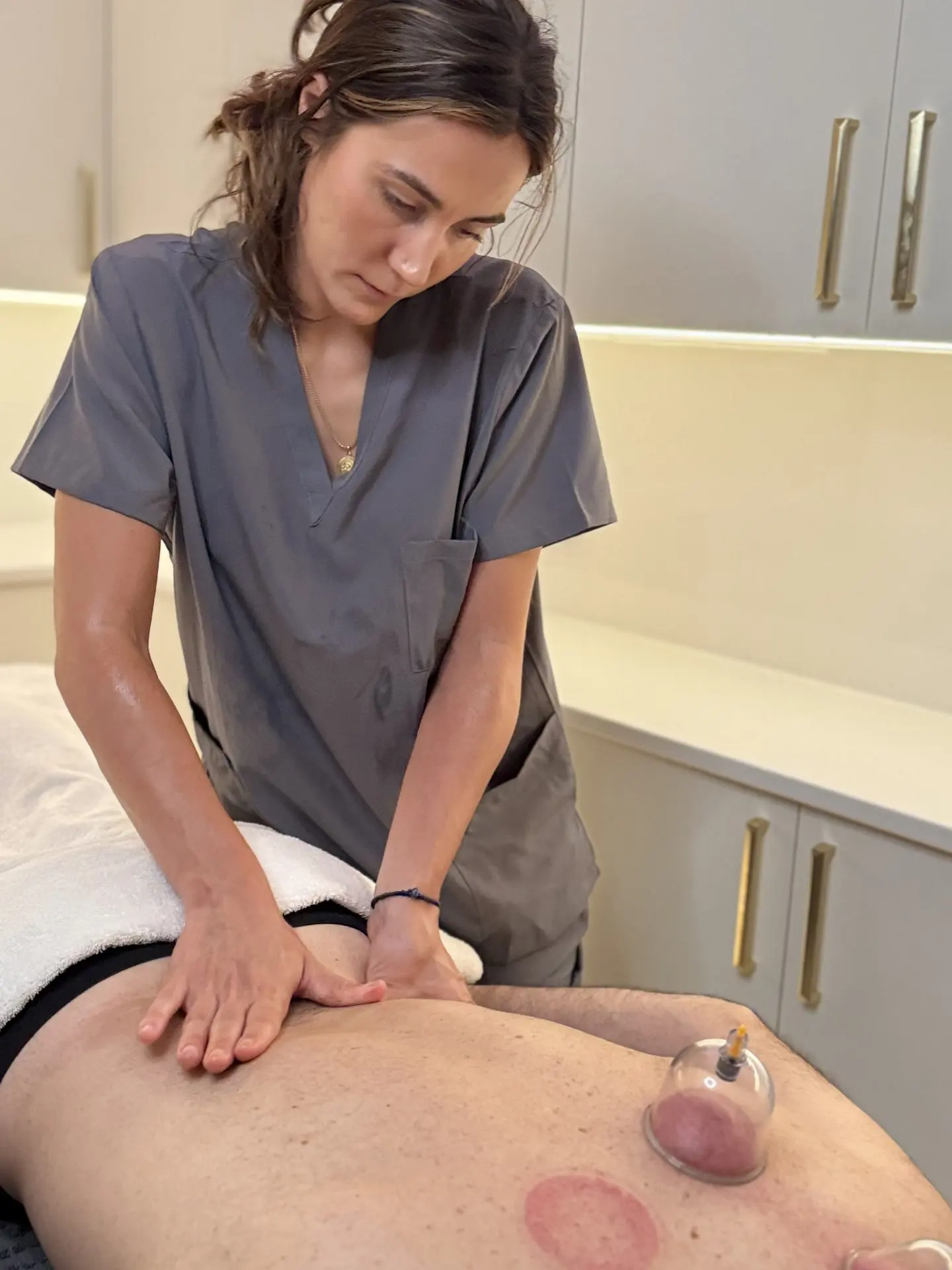
Deep Tissue
Combining Thai massage, myofascial release, cupping and trigger point therapy.
- Treatment time
- 60 minutes
- Results
- Immediate
- Longevity
- Several days to weeks; builds with a course
- Downtime
- None
- Price
- £108
About Deep Tissue
Our Deep Tissue treatment draws on several techniques — modern Thai massage, myofascial release, cupping and trigger point therapy — combined into a personalised session that works into the deeper layers of muscle and connective tissue. It targets chronic tension, stubborn knots and restricted movement rather than simply relaxing the surface.
It isn't always a purely relaxing experience while it's happening, but the release afterwards is what people come back for.
Key Benefits
- 01Reaches chronic tension the surface can't
- 02Releases stubborn knots and trigger points
- 03Improves mobility and range of movement
- 04Combines several techniques in one personalised session
- 05Supports recovery from postural strain and training
- 06Lasting relief that builds with regular sessions
Is this treatment right for me?
Deep tissue suits people with long-standing tension, tight, restricted muscles, or knots that a relaxing massage doesn't shift. It's firmer than a classic massage; if you prefer a gentler treatment, de-stress or aromatherapy may suit you better.
You may be suitable if…
- You have chronic tension or persistent knots
- Your movement feels restricted
- You've had firm massage before and know you like it
- You have no injury, clot history or condition that rules out deep work
Your consultation will consider…
- What you'd like from the session and any areas of concern
- Injuries, pain, skin conditions and health issues that affect technique
- Pressure preference and any areas to avoid
- Whether a course or package would suit your goal
What to expect
Before treatment
Your therapist will ask briefly about the whole body, any injuries, pain or health conditions, and how firm you'd like the pressure. There's nothing to prepare — arrive a few minutes early so you can settle.
During treatment
Your therapist starts by warming the tissue, then works progressively deeper using forearms, elbows, cupping or trigger-point pressure as needed. She'll check in on pressure throughout — deep should feel purposeful, never unbearable. Sessions are sixty minutes.
After treatment
Expect to feel looser but possibly a little tender, as after a hard workout. Drink water and take it easy for the rest of the day if you can.
Results & longevity
You'll usually feel a clear release and easier movement straight after the session, with any post-massage tenderness settling within a day or two. Chronic tension responds best to a short series of sessions two to four weeks apart, after which many people maintain the result with a monthly visit.
Recovery, side effects & aftercare
Deep tissue work can leave muscles pleasantly sore for a day or two, much like the day after exercise. That's normal and settles with movement, warmth and water.
Side effects
Mild soreness or tenderness for a day or so after firmer work is normal, as is feeling tired or very relaxed. Occasionally people notice a mild headache or feel emotional afterwards, which passes. Bruising is uncommon. Massage is avoided over injuries, infections, recent surgery, blood clots and certain medical conditions — please tell your therapist about anything relevant.
Aftercare
Drink water, avoid alcohol for the rest of the day and keep the treated muscles warm. Gentle movement and stretching help; a hot bath or shower that evening is welcome. If an area feels tender after deep work, a warm compress or a gentle walk helps it settle.
Please get in touch if soreness lasts more than a couple of days, or if you have any concern after your treatment.
- Downtime
- None
- Redness
- Some pinkness where the skin has been worked, fades within an hour
- Swelling
- None
- Bruising
- Occasional light bruising, particularly with cupping
- Normal activities
- Same day; avoid heavy training for 24 hours
Frequently Asked Questions
Does deep tissue massage hurt?
It's firm and can be intense over a knot, but it shouldn't be painful in a way that makes you tense up. Tell your therapist if it's too much — effective deep work needs you relaxed.
What is cupping?
Suction cups lift the tissue rather than pressing it, which releases fascia and improves blood flow. It can leave circular marks for a few days, which fade on their own.
How many sessions do I need?
One session gives relief; chronic tension usually responds best to three or four sessions a few weeks apart, then maintenance.
Will I be sore afterwards?
Possibly, for a day or so — similar to post-exercise soreness. Water, warmth and gentle movement help.
What should I wear?
You'll undress to your comfort level for the area being treated and be covered with towels throughout; only the part being worked on is uncovered.
Is there anything that means I shouldn't have a massage?
Fever, infection, recent surgery or injury, blood clots and certain medical conditions can rule out or modify treatment. Please mention anything relevant when you book or at the start of your session.
How do I book?
Online, by phone or WhatsApp. Sessions are available across the week; let us know your preferred therapist if you have one.
Your Practitioners

Leta
Massage Therapist
Leta is a massage therapist at Banana Beauty Lab, delivering the treatments in this section.
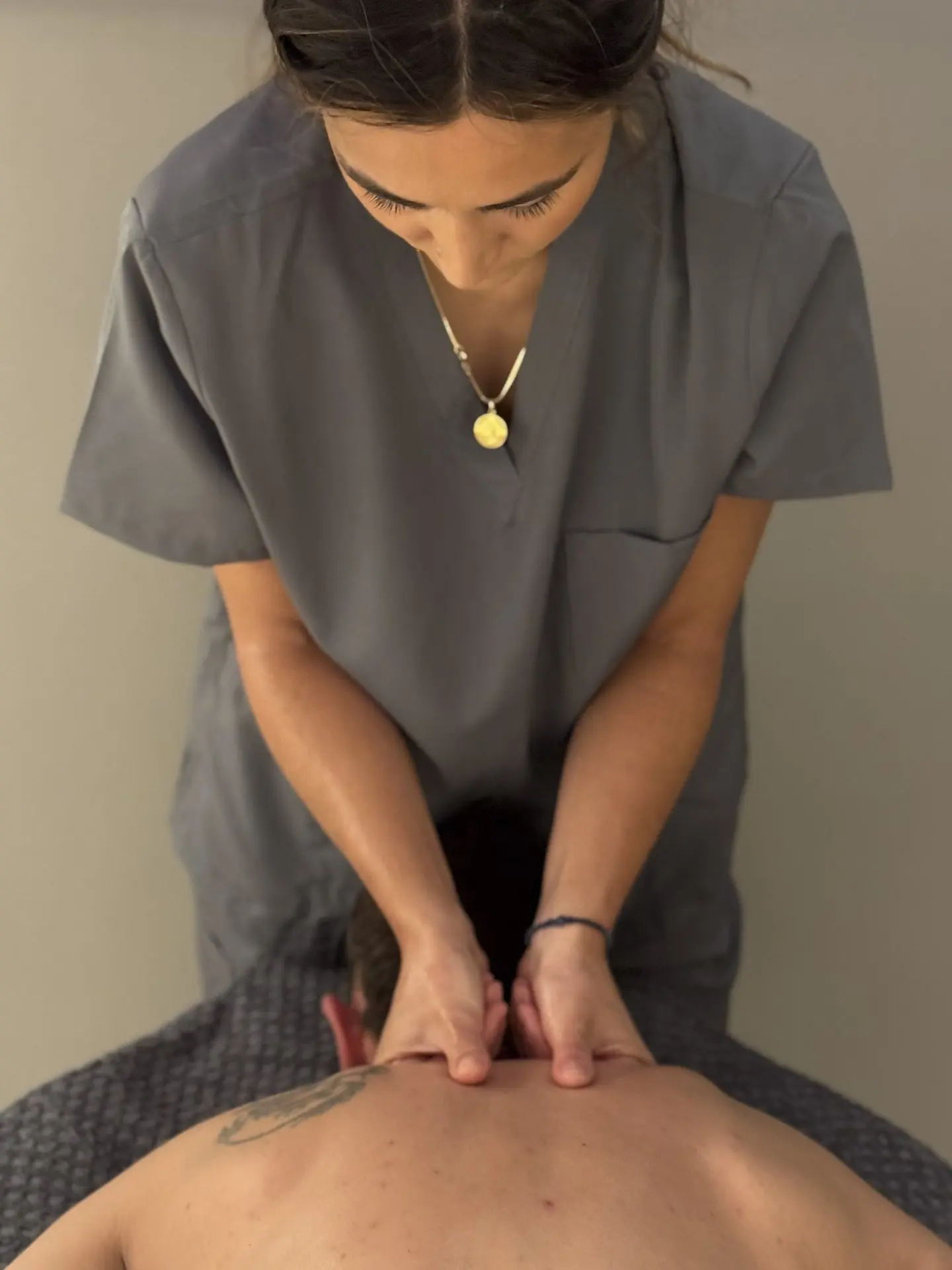
Roberta
Massage Therapist
Roberta is a massage therapist at Banana Beauty Lab, delivering the treatments in this section.