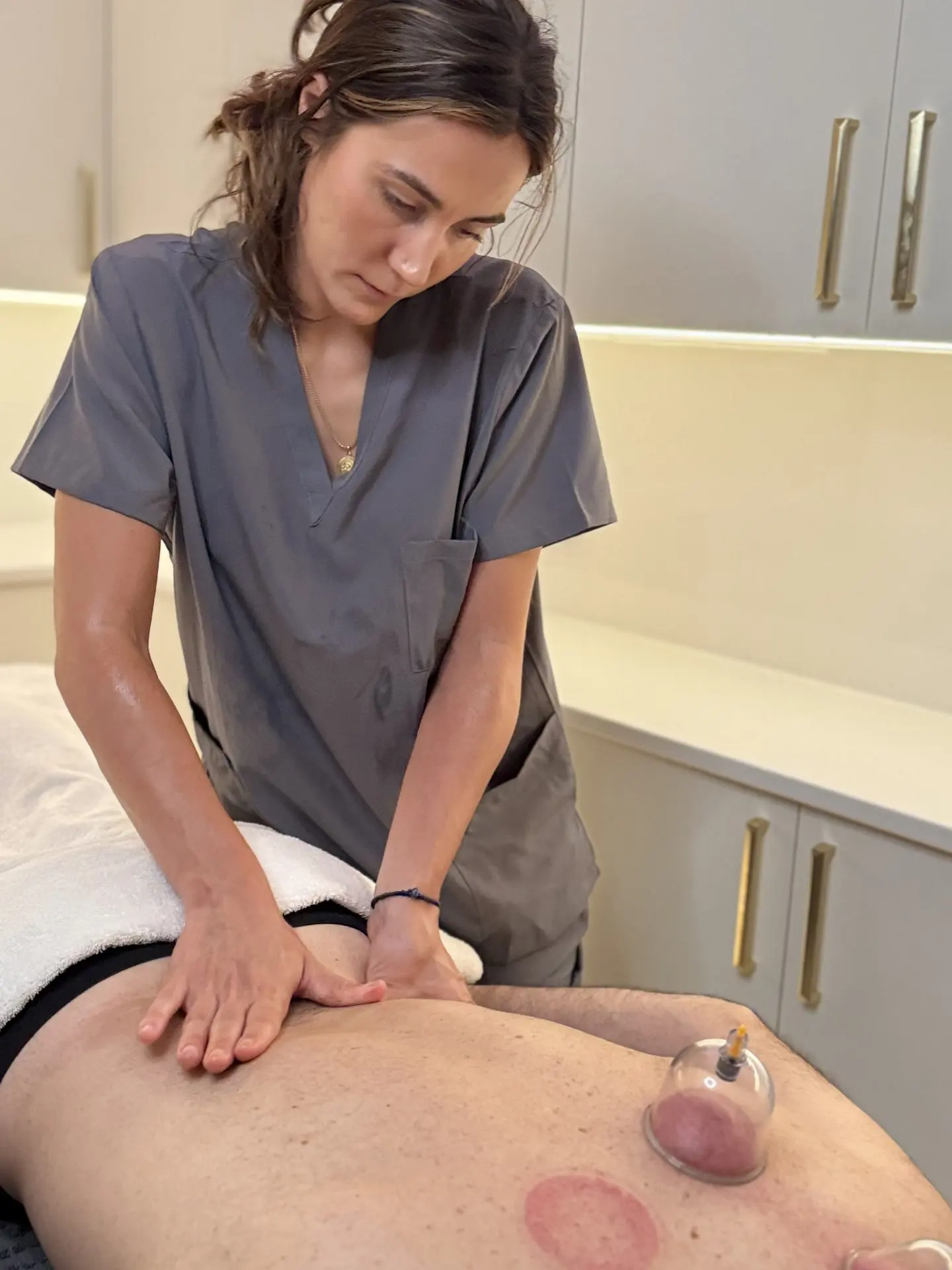
Sports
A targeted, performance-focused treatment supporting recovery.
- Treatment time
- 60 minutes
- Results
- Immediate
- Longevity
- Several days to weeks; builds with a course
- Downtime
- None
- Price
- £108
About Sports
Sports massage is a targeted, performance-focused treatment that works deep into the muscles most used in your sport or training. It aims to relieve tension, improve flexibility and support recovery — whether you're managing a specific niggle, preparing for an event, or simply want to keep your body performing well.
Your therapist tailors technique to your activity: runners, cyclists, lifters and racquet players all load their bodies differently, and the session reflects that.
Key Benefits
- 01Targets the muscles your sport loads most
- 02Supports faster recovery between sessions
- 03Improves flexibility and range of movement
- 04Helps manage niggles before they become injuries
- 05Useful before and after events
- 06Techniques tailored to your activity
Is this treatment right for me?
Sports massage suits anyone who trains regularly — from weekend runners to competitive athletes — and anyone with activity-related tightness. It's firm and focused; it isn't a relaxing massage, though many people find it satisfying. Acute injuries need assessment first.
You may be suitable if…
- You train or compete regularly
- You have tightness linked to a specific activity
- You want to support recovery or prepare for an event
- You have no acute injury, clot history or condition that rules out deep work
Your consultation will consider…
- Your sport or training and how it loads your body
- Current niggles, previous injuries and any medical advice
- Timing around events — pre-event work is lighter, post-event focuses on recovery
- Pressure preference
What to expect
Before treatment
Your therapist asks about your training, any niggles and what you want from the session — recovery, a specific tight area, or pre-event preparation. Arrive in comfortable clothing; you'll undress to your comfort level for the areas being treated.
During treatment
Firm, focused work on the relevant muscle groups using deep strokes, stretching and trigger-point techniques, adjusted to your feedback. Sessions are sixty minutes.
After treatment
Expect to feel looser and possibly a little tender. Your therapist may suggest stretches or mobility work to support the session.
Results & longevity
Improved range of movement and reduced tightness are usually felt straight away; any tenderness settles within a day or two. For ongoing training, a session every two to four weeks keeps muscles supple and helps catch problems early.
Recovery, side effects & aftercare
As with deep tissue work, muscles can feel pleasantly sore for a day or so afterwards. Avoid heavy training for 24 hours, keep moving gently and drink plenty of water.
Side effects
Mild soreness or tenderness for a day or so after firmer work is normal, as is feeling tired or very relaxed. Occasionally people notice a mild headache or feel emotional afterwards, which passes. Bruising is uncommon. Massage is avoided over injuries, infections, recent surgery, blood clots and certain medical conditions — please tell your therapist about anything relevant.
Aftercare
Drink water, avoid alcohol for the rest of the day and keep the treated muscles warm. Gentle movement and stretching help; a hot bath or shower that evening is welcome. If an area feels tender after deep work, a warm compress or a gentle walk helps it settle.
Please get in touch if soreness lasts more than a couple of days, or if you have any concern after your treatment.
- Downtime
- None
- Redness
- Some pinkness where the skin has been worked, fades within an hour
- Swelling
- None
- Bruising
- Uncommon; occasionally after firm or deep work
- Normal activities
- Same day; light training only for 24 hours
Frequently Asked Questions
Do I need to be an athlete?
No — anyone who exercises regularly benefits, as does anyone with activity-related tightness, whether that's from running, the gym or gardening.
Should I have it before or after an event?
Both work, but differently: a lighter session a few days before an event keeps muscles supple; a recovery session a day or two after helps them repair.
Can it treat an injury?
It supports recovery from muscular niggles and tightness. An acute injury — sharp pain, swelling, a suspected tear — should be assessed by a doctor or physiotherapist first.
Will it hurt?
It's firm and can be intense over tight areas, but it shouldn't be unbearable. Tell your therapist how it feels.
Is there anything that means I shouldn't have a massage?
Fever, infection, recent surgery or injury, blood clots and certain medical conditions can rule out or modify treatment. Please mention anything relevant when you book or at the start of your session.
How do I book?
Online, by phone or WhatsApp. Sessions are available across the week; let us know your preferred therapist if you have one.
Your Practitioners

Leta
Massage Therapist
Leta is a massage therapist at Banana Beauty Lab, delivering the treatments in this section.
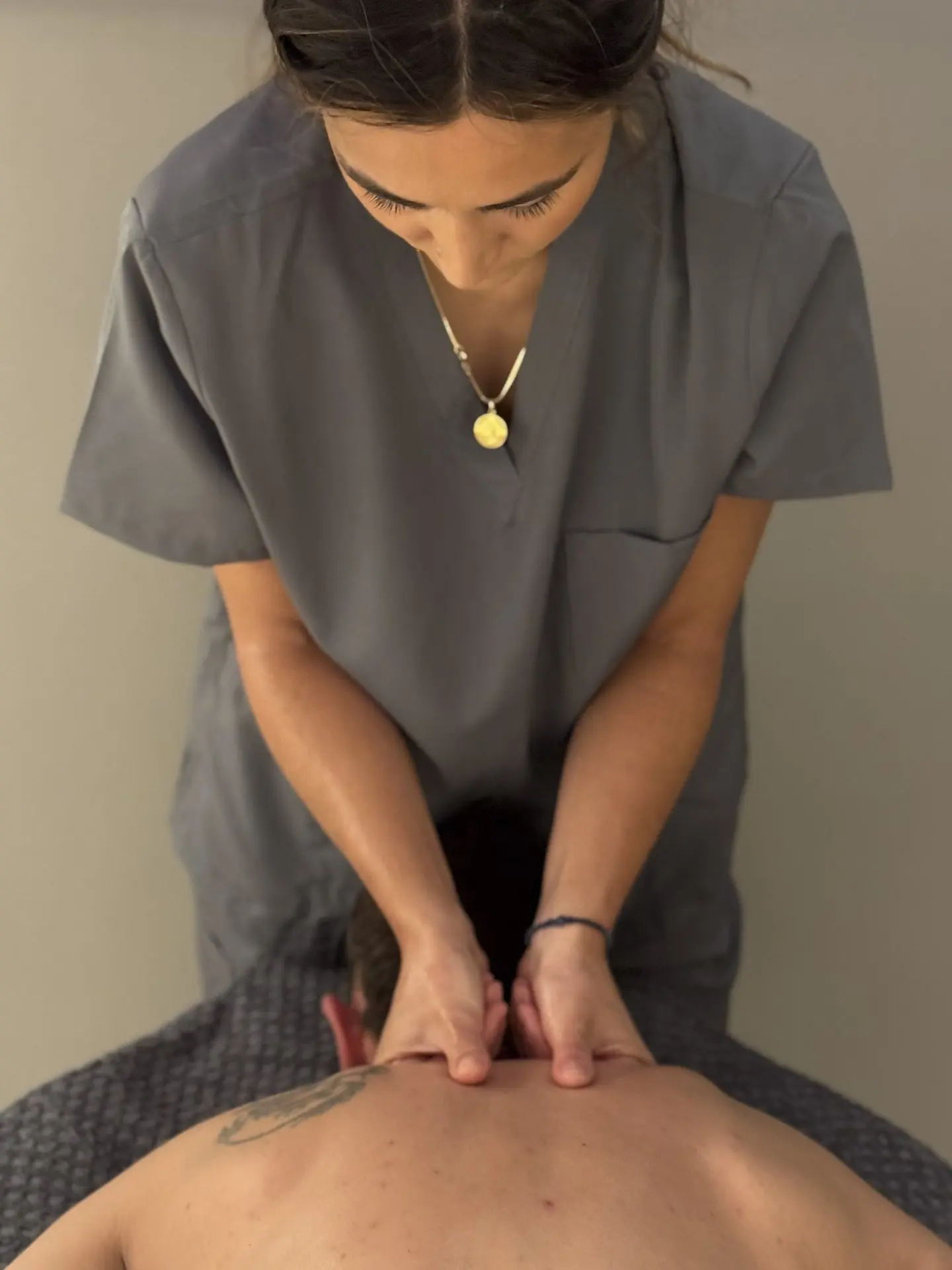
Roberta
Massage Therapist
Roberta is a massage therapist at Banana Beauty Lab, delivering the treatments in this section.