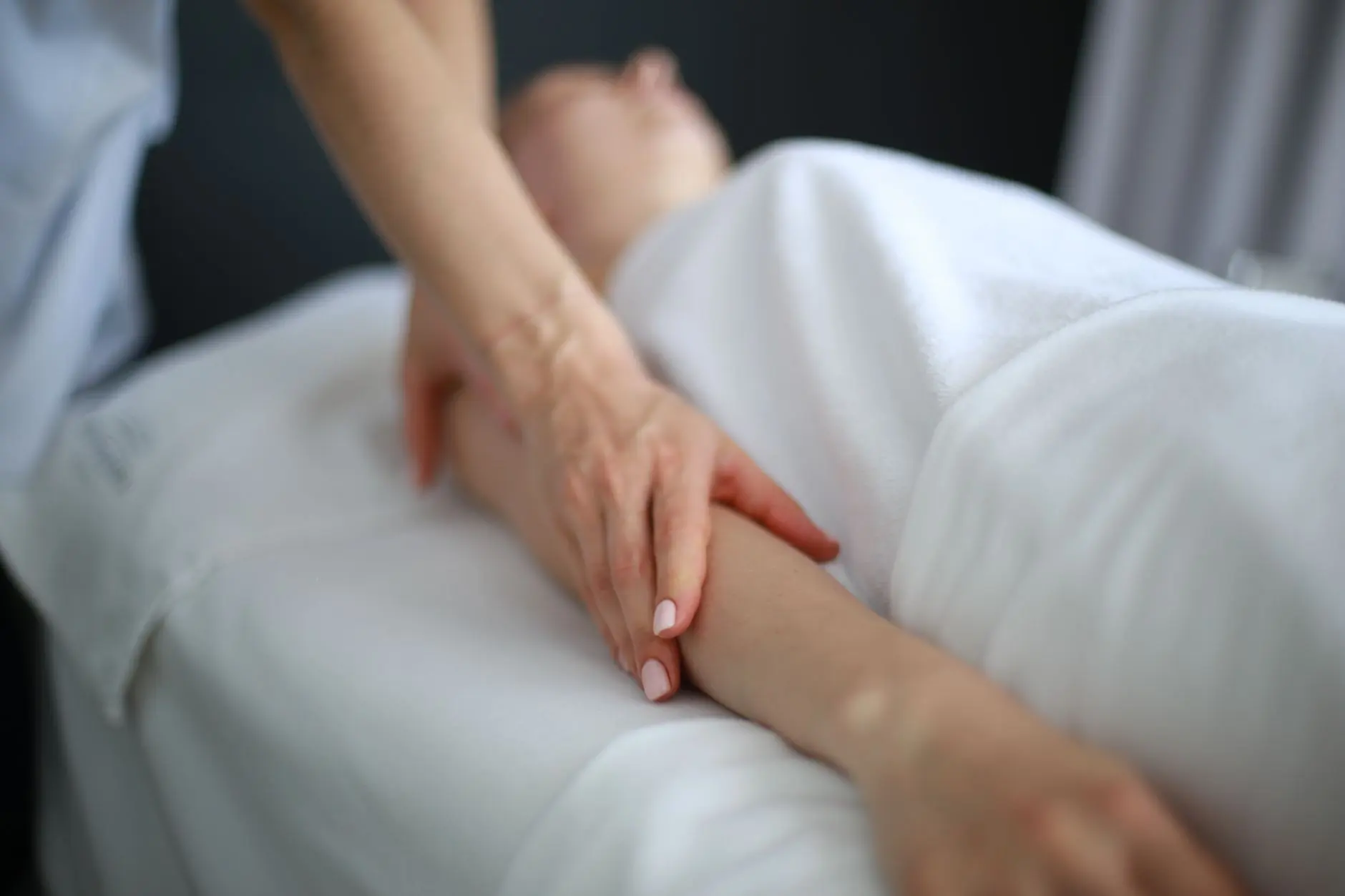
Hand
Perfect for tired, aching hands and wrists.
- Treatment time
- 25 minutes
- Results
- Immediate relief
- Longevity
- Several days; builds with regular sessions
- Downtime
- None
- Price
- £25
About Hand
A focused treatment for the hands, wrists and forearms, helping improve circulation and relieve the tension that builds from typing, phone use, manual work or everyday strain. It's surprisingly restorative — the hands do a great deal and are rarely given attention.
It's a lovely add-on to a facial or head massage, and a thoughtful treat for anyone who works with their hands.
Key Benefits
- 01Relieves tension from typing, phones and manual work
- 02Improves circulation to the hands and wrists
- 03Eases stiffness in the fingers and forearms
- 04Calming and restorative
- 05An easy add-on to other treatments
- 06Short enough for a lunch break
Is this treatment right for me?
This treatment suits anyone whose hands and wrists feels tight, tired or sore, or who wants a focused, shorter session rather than a full body massage. Leta and Roberta adapt technique and pressure to you.
You may be suitable if…
- Your hands, wrists or forearms feel tight or achy
- You type, use tools or work with your hands all day
- You'd like a gentle, calming treatment
- You have no injury or condition in the hands that rules out massage
Your consultation will consider…
- Where the tension sits and what's causing it — posture, work, exercise or stress
- Any injuries, pain, skin conditions or health issues in the area
- The pressure you prefer
- Whether a longer session or a specialist treatment would serve you better
What to expect
Before treatment
Your therapist will ask briefly about the hands and wrists, any injuries, pain or health conditions, and how firm you'd like the pressure. There's nothing to prepare — arrive a few minutes early so you can settle.
During treatment
You'll be positioned comfortably on the treatment couch, covered with towels so only the area being worked on is exposed. Your therapist uses a blend of flowing and focused strokes on the hands and wrists, adjusting pressure to your feedback throughout. The room is soundproofed and air-conditioned, so it's genuinely quiet.
After treatment
Take a moment to sit up slowly. Your therapist may suggest simple stretches or ways to ease the tension that brought you in. Drink some water and, if you can, give yourself a little time before rushing back into your day.
Results & longevity
Most people feel looser and lighter straight away, with reduced stiffness and an easier range of movement that lasts several days. For tension that keeps returning, regular sessions every few weeks build a lasting improvement, and your therapist can show you simple stretches to keep it at bay between visits.
Recovery, side effects & aftercare
Massage has no downtime. You may feel relaxed, slightly sleepy or — after firmer work — pleasantly achy for a day, in the same way you might after exercise. That settles quickly.
Side effects
Mild soreness or tenderness for a day or so after firmer work is normal, as is feeling tired or very relaxed. Occasionally people notice a mild headache or feel emotional afterwards, which passes. Bruising is uncommon. Massage is avoided over injuries, infections, recent surgery, blood clots and certain medical conditions — please tell your therapist about anything relevant.
Aftercare
Drink water, avoid alcohol for the rest of the day and keep the treated muscles warm. Gentle movement and stretching help; a hot bath or shower that evening is welcome. If an area feels tender after deep work, a warm compress or a gentle walk helps it settle.
Please get in touch if soreness lasts more than a couple of days, or if you have any concern after your treatment.
- Downtime
- None
- Redness
- Some pinkness where the skin has been worked, fades within an hour
- Swelling
- None
- Bruising
- Uncommon; occasionally after firm or deep work
- Normal activities
- Immediately; take it easy after deep work if you can
Frequently Asked Questions
Does it help with typing strain or RSI?
It eases the muscular tension that comes with repetitive hand and wrist use, and many people find it helps. Persistent pain or numbness should be checked by a doctor or physiotherapist.
How firm will the pressure be?
As firm or as gentle as you like. Your therapist checks in as she works — please say if anything is too much or not enough.
What should I wear?
You'll undress to your comfort level for the area being treated and be covered with towels throughout; only the part being worked on is uncovered.
How often should I have a massage?
For ongoing tension, every two to four weeks is typical. For an occasional reset, whenever you need it. Regular sessions tend to hold results better.
Can I add this to another treatment?
Yes — many clients combine a by-area massage with a facial or another massage, or book a longer session. Just ask when booking.
Is there anything that means I shouldn't have a massage?
Fever, infection, recent surgery or injury, blood clots and certain medical conditions can rule out or modify treatment. Please mention anything relevant when you book or at the start of your session.
How do I book?
Online, by phone or WhatsApp. Sessions are available across the week; let us know your preferred therapist if you have one.
Your Practitioners

Leta
Massage Therapist
Leta is a massage therapist at Banana Beauty Lab, delivering the treatments in this section.
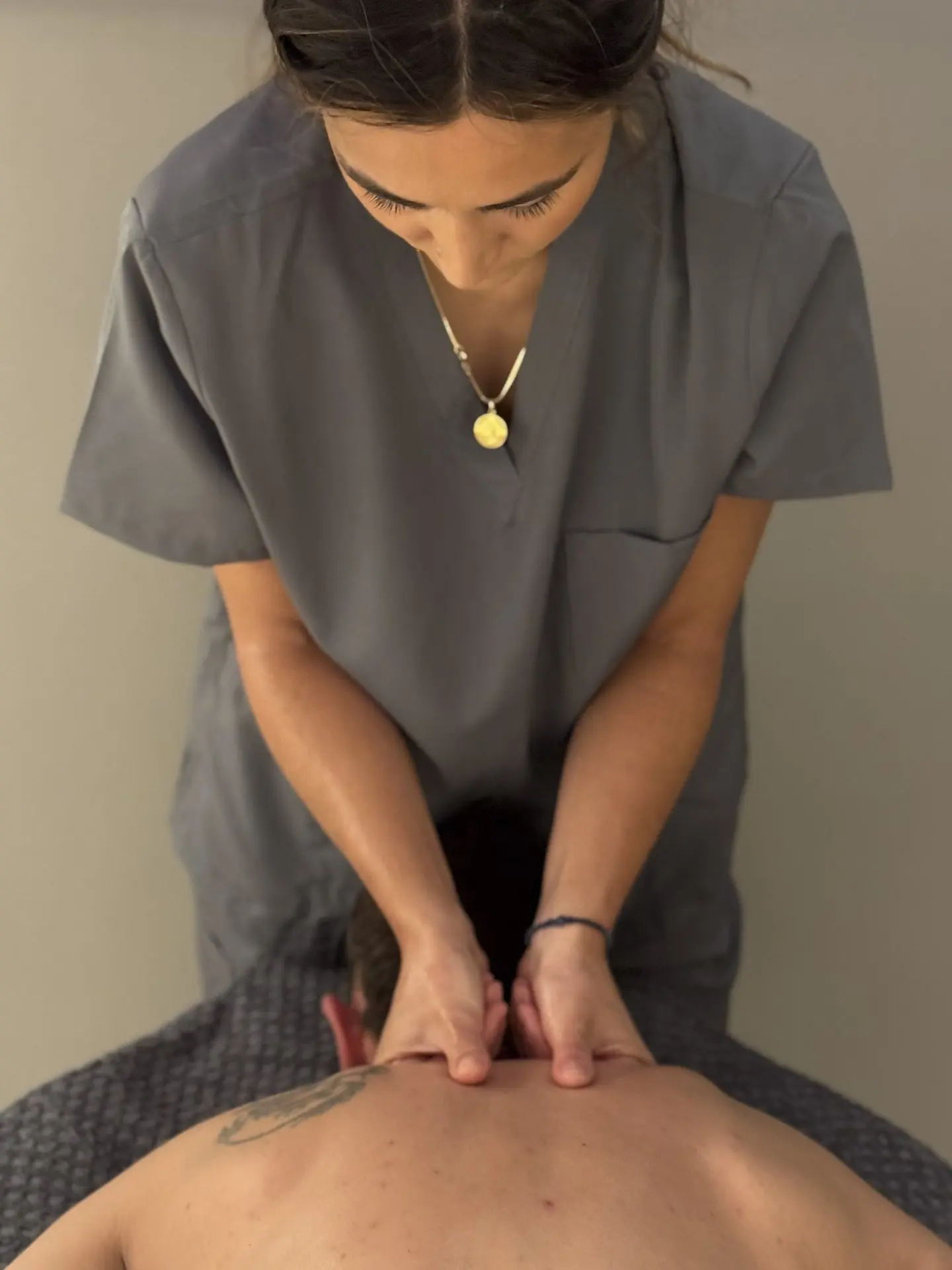
Roberta
Massage Therapist
Roberta is a massage therapist at Banana Beauty Lab, delivering the treatments in this section.